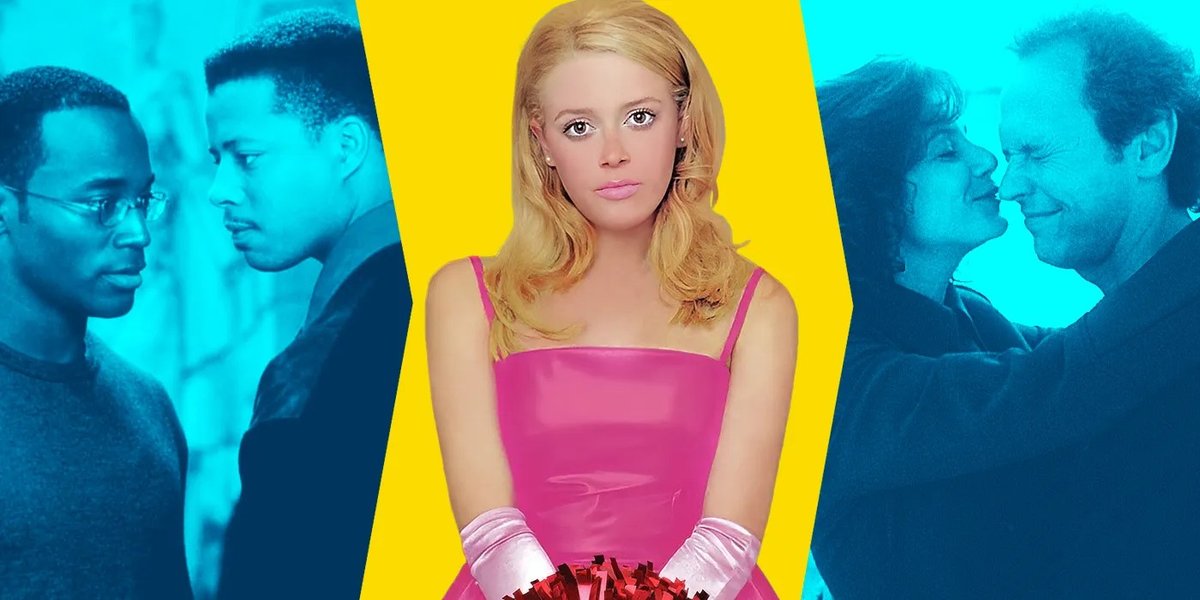
The 1990s weren't just a decade of grunge, dial-up internet, and questionable fashion choices – they were a golden era for the romantic comedy. This was a time when the genre blossomed, refining beloved tropes, minting new stars, and proving that love stories could be both hilarious and deeply resonant. Forget the fleeting trends; the truly great films from this period form what we proudly present as The Definitive 90s Rom Com Canon, a curated collection that perfectly encapsulates the decade’s unique charm and enduring appeal.
From the first meet-cute to the inevitable happily-ever-after (or sometimes, the bittersweet realization), 90s rom-coms captured our hearts with their wit, warmth, and undeniable star power. They explored love in its many forms – from the whirlwind fantasy to the messy reality, the sweet coming-of-age to the complex adult entanglement. These films didn't just entertain; they reflected and shaped our understanding of romance for a generation.
At a Glance: Why the 90s Rom-Com Canon Matters
- A Golden Age: The 1990s were a pivotal time, refining genre tropes and introducing iconic stars.
- Diverse Voices: Independent cinema and queer storytellers made significant contributions.
- Soundtrack Superstars: Many films boasted impactful, culturally significant soundtracks that defined the era.
- Enduring Chemistry: The decade gave us legendary pairings and unforgettable onscreen magic.
- Beyond the Fairy Tale: Rom-coms tackled real-world complexities with humor and heart, from career anxieties to LGBTQ+ experiences.
- Rewatchable Wonders: These films remain cherished favorites, offering comfort and timeless charm.
The Magic of the 90s: Why This Decade Defined Rom-Coms
Imagine a time when cinematic romance felt fresh, yet comfortingly familiar. The 90s were just that. Cultural shifts, an explosion of indie filmmaking, and the rise of a new breed of charismatic lead actors converged to create an environment where the romantic comedy could truly thrive. We saw the perfection of the "will-they-won't-they" dynamic, the glorification of the grand gesture, and the surprising depth found beneath layers of comedic timing. This era didn't just churn out movies; it crafted moments that became ingrained in our collective consciousness, shaping our romantic expectations and giving us characters we rooted for, flaws and all.
Iconic Pairings and Unforgettable Chemistry: The Meg Ryan & Tom Hanks Era
When we talk about 90s rom-coms, it's impossible not to start with the undeniable magic of Meg Ryan and Tom Hanks. They were the reigning king and queen of the genre, their chemistry so palpable it practically leaped off the screen. Their collaborations became touchstones for an entire generation.
It all began subtly with Joe Versus the Volcano (1990), their first pairing, which, despite its quirky, existential premise, hinted at the powerful connection they shared. Hanks plays a hypochondriac convinced he's dying, who accepts an offer to sacrifice himself to a South Pacific volcano. Along the way, he encounters Meg Ryan (who plays three different roles, each more charming than the last), finding love and a new lease on life. It’s a film that blends screwball energy with surprisingly deep introspection, an unusual but compelling start to their legacy.
But it was Nora Ephron who truly solidified their iconic status. In Sleepless in Seattle (1993), Hanks plays a grieving widower whose son calls a radio show, catapulting his dad into the national spotlight. Ryan, as a journalist stuck in a loveless engagement, finds herself drawn to his story. Their characters don't even meet until the very end, yet the film beautifully builds a romance based on longing and fate, a testament to the power of opening your heart.
They reunited with Ephron for You've Got Mail (1998), a charming update of The Shop Around the Corner. Here, they play anonymous online pen pals who are business rivals in real life. Set at the dawn of the dot-com era, the film's witty script and warm storytelling captured the nascent possibilities of online connection, all while delivering the kind of comfort-food romance only Hanks and Ryan could provide. Their ability to convey vulnerability, humor, and a deep, underlying affection made them the ultimate romantic fantasy, embodying the Meg Ryan mystique and Hanks' everyman charm.
Julia Roberts and the Reign of the Grand Gesture
If Ryan and Hanks epitomized comfort, Julia Roberts was pure, unadulterated fireworks. Her infectious laugh and million-dollar smile launched her into superstardom, making her the undisputed queen of the grand gesture. She brought a unique blend of vulnerability and strength to her roles, commanding the screen with effortless charisma. This was Julia Roberts' meteoric rise, and the rom-com genre benefited immensely.
Pretty Woman (1990) wasn't just a box office smash; it was a cultural phenomenon. Roberts stars as Vivian Ward, a free-spirited prostitute hired by wealthy businessman Edward Lewis (Richard Gere) to accompany him for a week. What began as a dark drama transformed into a modern-day Pygmalion-esque fairy tale, captivating audiences with its "sweep-off-your-feet" romance and proving that love could blossom in the most unexpected places.
Roberts continued to redefine romantic heroines throughout the decade. In My Best Friend's Wedding (1997), she gave us a refreshingly imperfect protagonist, a food critic determined to sabotage her best friend's marriage. It's a joyous film with a surprisingly honest and unexpected ending that challenged typical rom-com expectations. Later, she reunited with Gere for Runaway Bride (1999), another box office hit about a journalist pursuing a woman notorious for leaving men at the altar. The duo’s winning onscreen chemistry once again proved irresistible.
And then there was Notting Hill (1999), a quintessential fantasy of falling in love with a movie star. Roberts plays Anna Scott, a globally famous actress who walks into a humble English bookstore owned by William Thacker (Hugh Grant). Their charming, unlikely romance navigated the challenges of their disparate worlds, culminating in one of Hollywood's most beloved endings.
Beyond the Blockbusters: Indie Voices and Unexpected Love Stories
While Hollywood churned out mega-hits, the 90s also saw a burgeoning independent rom-com revolution. These films often pushed boundaries, explored diverse narratives, and offered a grittier, more nuanced look at love, carving out their own vital space in the canon.
Ang Lee’s The Wedding Banquet (1993) is a prime example. This bilingual queer classic masterfully mines humor from the clash of Eastern and Western values. It follows Winston, a gay Taiwanese immigrant in New York, who marries a Chinese woman for a green card and to placate his parents, leading to hilarious complications when they arrive for an elaborate banquet. It’s an upbeat comedy that represents immigrant and LGBTQ+ experiences with sweet-and-sour humor, a refreshing and important contribution.
Kevin Smith’s Chasing Amy (1997) offered a raw, honest look at love and sexuality. Ben Affleck stars as a comic book artist who falls for the enchanting — and gay — Alyssa Jones (Joey Lauren Adams). As their relationship deepens, Alyssa questions her sexuality, and Holden grapples with her promiscuous past. Known for its gritty textures and remarkable honesty, it's considered one of Smith's best and most mature films.
The decade also gave us poignant queer coming-of-age stories like David Moreton's Edge of Seventeen (1997). Set in 1984, it follows high schooler Eric as he navigates his sexual identity and first male romance, relying on friends and family through his first heartbreak. It's a sensitive portrait of adolescence bolstered by a glorious throwback soundtrack, an overlooked gem that resonated deeply with many.
Jamie Babbit's But I'm a Cheerleader (1999) took a satirical, vibrant approach to queer romance. Natasha Lyonne plays a high school cheerleader sent to a conversion therapy camp, where she falls for a fellow patient. Initially misunderstood, this visually striking film is now a transgressive cult classic, celebrated for its bold satire of gender norms and its eye-popping aesthetic.
Richard Linklater's Before Sunrise (1995) presented a different kind of indie magic. Ethan Hawke and Julie Delpy play strangers who meet on a train and spontaneously decide to spend a whirlwind day together in Vienna. Through their heartfelt, unscripted conversations, the film captures the intoxicating thrill of discovering that one person you might never see again but can picture spending a lifetime with. It’s a testament to the power of dialogue and fleeting connection.
Teenage Dreams and High School Dramas: Coming-of-Age Rom-Coms
The 90s practically perfected the teen rom-com, giving us stories that felt both universal and hyper-specific to the angst and exhilaration of adolescence. These films were pivotal in defining a generation's understanding of first love, social hierarchies, and finding your place.
10 Things I Hate About You (1999), a modern adaptation of Shakespeare's The Taming of the Shrew, stands as a titan of the genre. Julia Stiles plays the antisocial Kat, wooed by bad boy Patrick (a breakout Heath Ledger) who's initially paid to date her. Real feelings, naturally, develop. With charismatic leads and a sharp script, it challenged genre archetypes and promoted a progressive point of view, proving teen romance could be smart and subversive.
Another millennial classic, She's All That (1999), gave Pygmalion a late-90s makeover. Popular jock Zack (Freddie Prinze Jr.) accepts a challenge to transform "unpopular" art student Laney (Rachael Leigh Cook) into a prom queen. Cue inevitable real feelings, charismatic leads, and an ace soundtrack, solidifying its place as a teen movie titan.
Drew Barrymore enchanted audiences in Never Been Kissed (1999) as Josie Geller, a socially awkward 25-year-old copy editor who goes undercover as a high school student. The experience forces her to confront old traumas and allows her to finally learn to grow up, all while falling for her handsome English teacher. It's sugary Hollywood fluff delivered with genuine warmth.
Films like Can't Hardly Wait (1998) perfectly captured the chaos and excitement of a single graduation night, with a sprawling cast navigating love, friendship, and self-discovery. And Drive Me Crazy (1999), starring Melissa Joan Hart and Adrian Grenier, played with the classic friends-to-lovers trope, as childhood pals fake a relationship to get their exes back, only to realize their true feelings for each other. These films resonated because they mirrored the intense, often comical, emotional landscape of high school.
Reinventing Tropes: Wit, Whimsy, and a Dash of Dark Humor
The 90s didn't just embrace existing rom-com tropes; they playfully subverted, darkened, and sometimes completely reinvented them. This era wasn't afraid to add a little vinegar to the sweet, resulting in some truly memorable and often hilarious films. These movies played with classic rom-com tropes in surprising ways.
The Farrelly Brothers pushed boundaries with There's Something About Mary (1998). This sweet romance, brimming with famously risqué moments, saw Ted (Ben Stiller) still pining for Mary (Cameron Diaz) years after a prom mishap, only to find himself competing with a sleazy private eye (Matt Dillon) when they reunite. Its audacious humor redefined what a rom-com could get away with.
Meg Ryan, known for her sweetness, showed a deliciously darker side in Addicted to Love (1997). She and Matthew Broderick play heartbroken individuals who conspire to break up their exes, who are now dating each other, only to realize their own attraction. This jealousy-fueled rom-com, praised for Ryan's "delightfully vinegary" performance, proved that revenge could be a surprisingly effective aphrodisiac.
As Good As It Gets (1997) gave us a decidedly unconventional romance. Jack Nicholson won an Oscar for his portrayal of a misanthropic writer whose rigid world is upended when he's forced to care for a neighbor's dog, bringing him into the orbit of a kind waitress (Helen Hunt, also an Oscar winner). It’s a sharp, emotional, and very New York-centric story about two deeply flawed people finding connection.
Even seemingly simple premises were given a unique spin. While You Were Sleeping (1995) starred Sandra Bullock as a lonely transit employee who saves her crush from an accident, then is mistakenly introduced as his fiancé to his family. She finds herself falling for his brother instead, exploring the relatable dilemma of sacrificing dreams for real love. Blast From the Past (1999) offered a charming fish-out-of-water tale, with Brendan Fraser playing a man raised in a bomb shelter who falls for Alicia Silverstone as she acclimates him to the modern world.
And for those who like their romance with a side of absurdity, Fools Rush In (1997) saw Matthew Perry's straight-laced architect navigating an unexpected pregnancy with free-spirited photographer Salma Hayek after a one-night stand, while Mike Myers brought zany humor and tender moments to So I Married An Axe Murderer (1993), a darkly hilarious take on commitment-phobia.
British Charm and Period Romance: From Austen to Grant
The 90s also saw a resurgence of elegant period romances and a particular brand of witty British rom-com that launched a new star to international fame: Hugh Grant.
Grant’s bumbling, charming persona became synonymous with British romance thanks to Four Weddings and a Funeral (1994). This Mike Newell-directed film sees Grant’s commitment-averse Charles repeatedly encountering the beautiful Carrie (Andie MacDowell) at various social events. Buoyed by witty dialogue and a genuinely poignant core, it’s considered one of the greatest British movies and solidified the blueprint for many rom-coms that followed.
The decade also embraced literary classics, particularly Jane Austen. Ang Lee’s Sense and Sensibility (1995) was a delicate and graceful adaptation, starring Emma Thompson (who also wrote the Oscar-winning screenplay) and Kate Winslet as the Dashwood sisters navigating love and fortune. Douglas McGrath’s Emma (1996) offered Gwyneth Paltrow as the delightful, if misguided, matchmaker Emma Woodhouse, a charmer even if a contemporary BBC version was more critically favored.
Then there was Shakespeare in Love (1998), a picturesque costume rom-com that reimagined a young William Shakespeare (Joseph Fiennes) finding inspiration for his plays in a forbidden love affair with noblewoman Viola de Lesseps (Gwyneth Paltrow). It's an enchanting star-crossed romance that cleverly alludes to Shakespeare's works, securing its place despite ongoing debates about its Oscar legacy. Kenneth Branagh also brought Shakespeare to the 90s with his vibrant adaptation of Much Ado About Nothing (1993), setting the witty verbal sparring of Beatrice (Emma Thompson) and Benedick (Branagh) in a sun-drenched Tuscan villa.
The Unsung Heroes and Cult Favorites: Deeper Cuts of the Canon
Not every canonical film was a box office behemoth or an Oscar darling. Some quietly earned their place through cult followings, unique perspectives, or simply being genuinely great, often underappreciated, films.
Cameron Crowe’s Singles (1992) masterfully captured the grunge zeitgeist of early 90s Seattle. With Bridget Fonda and Matt Dillon leading an ensemble cast, it offered raw feelings and realistic portrayals of twentysomethings navigating relationships against the backdrop of an emerging music scene. Its monster soundtrack brought alternative rock to the mainstream and etched the film into the cultural fabric.
Eddie Murphy showed a different side in Boomerang (1992), playing a suave, womanizing ad executive who finally gets his comeuppance from a formidable new boss (Robin Givens). After experiencing his first real heartbreak, he reboots and connects with the kind Angela (Halle Berry). While initially met with mixed reviews, it has since gained respect as an underappreciated classic.
Other gems include One Fine Day (1996), an understated comedy starring George Clooney and Michelle Pfeiffer as single parents juggling demanding jobs and childcare, whose hectic day together leads to unexpected closeness. Jerry Maguire (1996), while primarily a sports film, has a powerful romantic core, birthing immortal lines like "You had me at 'hello'" through the relationship between Tom Cruise's sports agent and Renée Zellweger's single mother.
Meg Ryan also shined in French Kiss (1995), a charming caper where her character’s intentions to confront her wayward fiancé in France are derailed by a charismatic crook (Kevin Kline). And Marisa Tomei delivered a delightful performance in Only You (1994), a film about having faith in destiny and stars, as her character chases a man she believes a Ouija board foretold as her soulmate. Films like Sabrina (1995), a remake starring Julia Ormond and Harrison Ford, Goldie Hawn and Steve Martin's hilarious Housesitter (1992), and Matthew Perry's lauded The Whole Nine Yards (Fools Rush In was also a highlight for him) all added to the rich tapestry of 90s romantic comedy.
Even films like The Best Man (1999), a romantic dramedy that explores the intricate relationships within a group of friends reuniting for a wedding, and Baz Luhrmann’s vibrant Strictly Ballroom (1992), which follows a dancer breaking free from tradition to embrace his unique style, deserve recognition for their contributions to the decade's diverse offerings.
Soundtracking Love: The Unforgettable Music of 90s Rom-Coms
It's impossible to talk about the 90s rom-com canon without acknowledging the incredible impact of their soundtracks. Music wasn't just background noise; it was a character, a mood-setter, and often a defining element that elevated these films to iconic status. The right song could amplify a grand romantic gesture, underscore a moment of heartbreak, or simply make you want to dance. Many became soundtracks that defined the decade.
Think of the grunge-infused tracks of Singles that perfectly encapsulated Seattle's alternative scene, or the unforgettable 80s pop anthems that made The Wedding Singer a nostalgic delight. 10 Things I Hate About You had a fantastic mix of alternative rock that spoke to its rebellious spirit, while Edge of Seventeen's throwback soundtrack transported you straight to 1984. These curated collections of songs not only provided a sonic backdrop but also introduced countless viewers to new artists and cemented specific songs as anthems of love and longing.
What Makes a Rom-Com "Canon"? Our Selection Criteria
Identifying The Definitive 90s Rom Com Canon isn't just about listing popular movies. It's about recognizing films that left an indelible mark, stood the test of time, and continue to resonate with audiences today. Our selection prioritizes several key criteria:
- Cultural Impact: Did the film become a touchstone, quoted endlessly, or influence subsequent cinema?
- Star Power and Chemistry: Did it feature iconic performances or create unforgettable onscreen pairings?
- Genre Influence: Did it refine existing tropes, introduce new narrative devices, or push the boundaries of what a rom-com could be?
- Critical Reception & Audience Love: While not the sole factor, a blend of critical acclaim and enduring audience affection is crucial.
- Rewatchability: A truly canonical film is one you can watch again and again, finding new joy each time.
- Diversity of Storytelling: We sought films that reflected the evolving landscape of relationships, including independent and queer voices.
This isn't just a list; it's a celebration of the films that defined a genre and a decade.
The Enduring Legacy: How the 90s Shaped Rom-Coms Forever
The 90s rom-com canon isn't merely a nostalgic trip; it's a foundational pillar for every romantic comedy that followed. These films perfected the art of blending humor with heartfelt emotion, making us laugh through our tears and believe in the possibility of happily ever after, even if it was messy. They taught us about the thrill of the chase, the agony of unrequited love, and the joy of finding your person in unexpected places. They also showed us how 90s rom-coms shaped our view of love for decades to come, setting a high bar for witty dialogue, memorable characters, and genuine emotional stakes. The influence of these films—from their storytelling structures to their indelible images and soundtracks—can still be felt today, a testament to their timeless appeal and the sheer talent that brought them to life.
Your Ultimate 90s Rom-Com Binge Guide
Now that you have The Definitive 90s Rom Com Canon, the next step is clear: start watching (or rewatching!). Whether you're in the mood for an iconic star pairing, a quirky indie gem, a heartwarming teen romance, or a classic British charmer, this list has you covered. Gather your snacks, find your cozy spot, and prepare to fall in love all over again with the films that truly defined a golden era of cinematic romance.
Ready to dive deeper into the decade that perfected the genre? Explore 90s rom coms and discover more about what made these films so special and enduring. Happy watching!