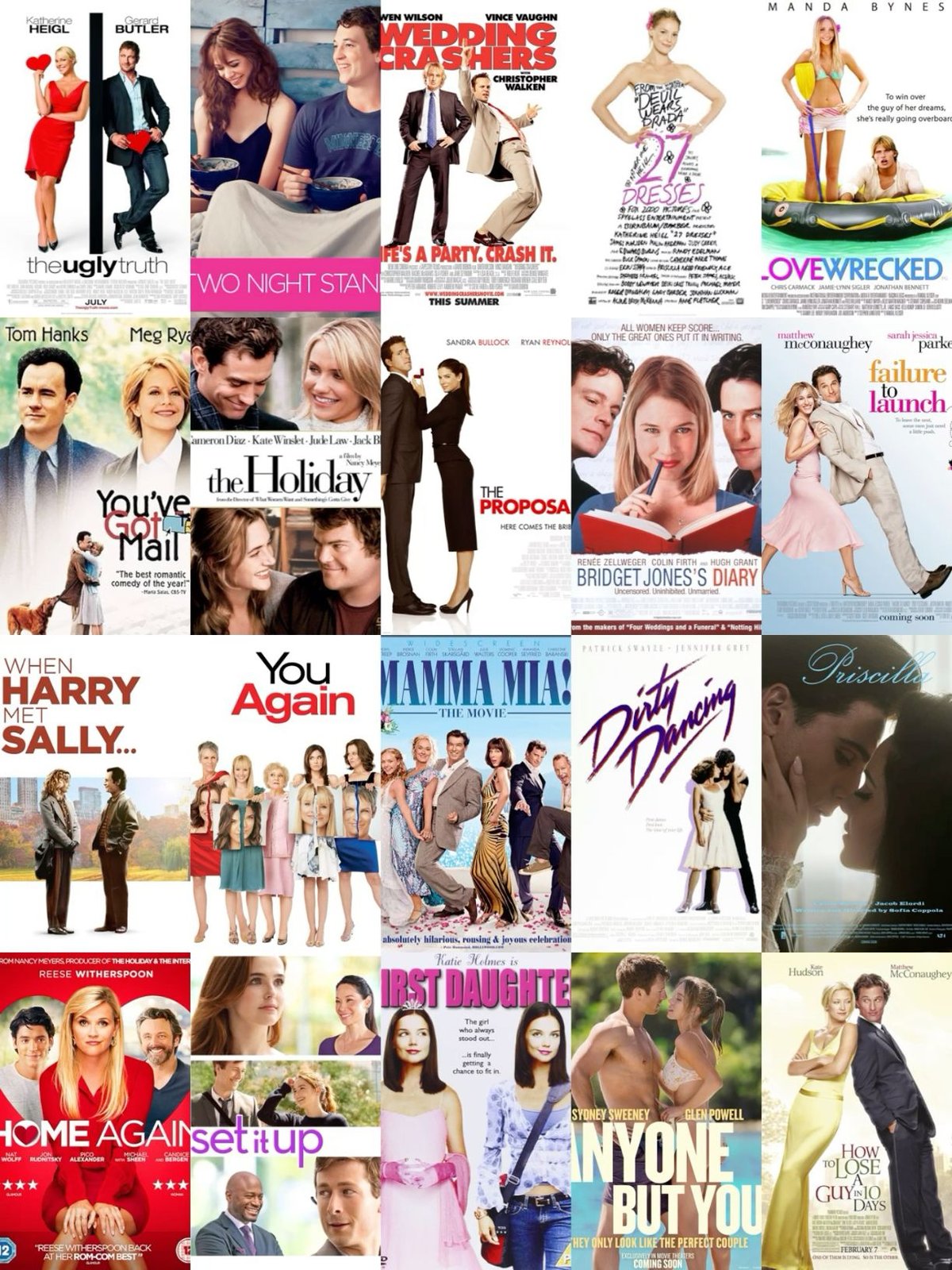
When you think of 90s romantic comedies, what comes to mind? The iconic meet-cutes, the rain-soaked kisses, the witty banter, or maybe that perfectly chosen pop song scoring a pivotal moment. We often celebrate the stars – Julia Roberts, Tom Hanks, Meg Ryan, Hugh Grant – but behind every unforgettable scene and every line that burrowed into our hearts were the true architects: the directors and writers who crafted these cinematic love letters. Delving Behind the Scenes: Directors & Writers of 90s Rom Coms reveals a fascinating era where the genre was redefined, diversified, and elevated by visionary storytellers.
It was a decade that balanced comforting predictability with groundbreaking narratives, introducing us to queer love stories, showcasing Black romance, and masterfully adapting literary classics. These creators didn't just make movies; they captured the zeitgeist, giving us films that still feel fresh, funny, and deeply human today.
At a Glance: The Creative Forces Behind 90s Rom-Coms
- Genre Redefined: Directors and writers moved beyond simple boy-meets-girl formulas, infusing rom-coms with deeper emotional intelligence and complex characters.
- Diverse Voices Emerge: The 90s saw a significant integration of diverse storytellers, including queer and Black filmmakers, broadening the scope of love stories on screen.
- Signature Styles: From Nora Ephron's razor-sharp wit to Cameron Crowe's music-laden sincerity and Ang Lee's cross-cultural explorations, creators left an indelible mark.
- Literary Roots: Many beloved 90s rom-coms were clever adaptations of classic novels, proving that timeless stories could find modern appeal.
- Soundtrack as Character: Directors keenly understood the power of licensed music to set tone, evoke emotion, and become synonymous with their films.
- Enduring Legacy: These films didn't just entertain; they shaped pop culture, launched careers, and remain cherished comfort watches decades later.
Why the 90s Sparkled: A Perfect Storm for Romantic Comedy
The 1990s was a sweet spot for romantic comedies, a decade where post-80s cynicism softened just enough for genuine emotion to shine, often with a healthy dose of wit. It was an era before pervasive internet culture, where grand gestures felt earned and communication sometimes still meant a physical letter or a phone call, not just a text. Audiences craved narratives that offered escape, comfort, and a belief in love, even when it was messy or unconventional.
Filmmakers and screenwriters stepped up, taking the foundational tropes of the genre – the "meet-cute," the "will they/won't they," the "big declaration" – and refining them. They leaned into clever dialogue, complex character arcs, and often, a dash of quirky realism. This wasn't just about finding happily-ever-after; it was about the journey, the personal growth, and the laughter along the way. It set the stage for a period of incredible creativity, drawing in talent from diverse backgrounds and with varied stylistic approaches.
The Auteurs of Affection: Directors Who Shaped the Era
While actors might grab the headlines, the director is the conductor of the cinematic orchestra, guiding every performance, visual choice, and narrative beat. The 90s saw a rise of distinct directorial voices in rom-coms, each leaving their unique stamp.
Nora Ephron: The Queen of Wit and Warmth
If there was a reigning monarch of 90s rom-coms, it was undoubtedly Nora Ephron. A former journalist, Ephron brought a writer's sensibility to her directing, prioritizing sharp, observational dialogue and genuine emotional depth. She understood the intricacies of human connection, particularly for women navigating career, friendship, and love.
Ephron famously paired Tom Hanks and Meg Ryan in two of the decade's most beloved films: Sleepless in Seattle (1993) and You've Got Mail (1998). In Sleepless, she masterfully created a romance where the leads spent almost the entire film apart, building anticipation through shared longing and a belief in destiny. Her touch made the improbable feel utterly believable. With You've Got Mail, she modernized the classic Shop Around the Corner with dial-up internet, using email as a conduit for intimate, anonymous connection, all while their real-life selves were business rivals. Ephron's films weren't just funny; they were comforting, intelligent, and subtly feminist, often exploring themes of loneliness, identity, and the surprising ways love can bloom.
Ang Lee: Bridging Worlds with Delicate Touch
Ang Lee is a director renowned for his versatility, able to seamlessly shift between genres and cultural landscapes. In the 90s, he gave us two distinct, yet equally impactful, romantic comedies. The Wedding Banquet (1993) was a groundbreaking bilingual queer classic, navigating the humor and heartache of a Taiwanese immigrant in New York who marries a Chinese woman for parental appeasement and a green card, complicating his life with his actual gay Jewish partner. Lee's delicate direction brought nuance to the cultural clash and humanized all characters involved.
Later, he directed Sense and Sensibility (1995), a stunning adaptation of Jane Austen's novel. Here, Lee proved his mastery of period romance, allowing Emma Thompson's brilliant screenplay and performance to shine. He crafted a visually lush film that explored the emotional constraints and social pressures of 19th-century love with profound sensitivity, earning critical acclaim and proving that rom-coms could also be high art.
Cameron Crowe: Soundtracks of the Soul
Cameron Crowe's films often feel like personal mixtapes – brimming with carefully curated music that becomes integral to the storytelling. He had a knack for capturing the feeling of a specific time and place, often through the lens of young adults navigating life and love. Singles (1992) perfectly encapsulated the early 90s grunge scene in Seattle, following a group of twentysomethings stumbling through relationships with an authentic, melancholic charm.
Crowe's Jerry Maguire (1996) might be remembered as a sports film, but at its heart, it's a swooning romance. He masterfully built the relationship between Tom Cruise's ethically challenged sports agent and Renée Zellweger's hopeful single mother, culminating in the iconic "You had me at hello" line. Crowe's films blend sharp dialogue with emotional vulnerability, always underscored by a pitch-perfect soundtrack that elevates the viewing experience.
Garry Marshall: The Hitmaker with Heart
Garry Marshall was a maestro of the mainstream rom-com, known for his ability to craft highly re-watchable, star-studded blockbusters that resonated with wide audiences. He knew how to tap into universal fantasies and deliver them with charm and warmth.
His early 90s triumph, Pretty Woman (1990), catapulted Julia Roberts to superstardom as the free-spirited Vivian Ward, who falls for Richard Gere's wealthy businessman. It was a modern fairy tale, expertly balancing humor with a genuine emotional core. Marshall reunited Roberts and Gere for Runaway Bride (1999), another crowd-pleaser that played on their undeniable chemistry. Marshall's films often featured strong, memorable characters and a clear emotional arc, making them reliable feel-good movies.
Richard Linklater: The Art of Conversation
Richard Linklater's Before Sunrise (1995) stands out as a unique entry in the 90s rom-com canon, eschewing grand gestures for profound conversation. Shot largely in real-time, it follows Jesse (Ethan Hawke) and Céline (Julie Delpy), two strangers who meet on a train and decide to spend one spontaneous night walking and talking through Vienna. Linklater's direction focused intensely on dialogue and character interaction, capturing the fragile, exhilarating magic of instant, deep connection. It proved that a compelling romance could be built almost entirely on words and chemistry, paving the way for a beloved trilogy.
The Farrelly Brothers: Raunchy Romance, Unexpected Heart
Peter and Bobby Farrelly carved out their niche with comedies that pushed boundaries, often featuring gross-out humor and outrageous situations. Yet, beneath the shock value of films like There's Something About Mary (1998), there was often a surprising amount of heart and a genuine romantic core. They weren't afraid to make their characters flawed and their situations absurd, but they always rooted the humor in character, making the eventual romantic payoff feel earned. Their success proved that rom-coms could be edgy and still deliver on the "love conquers all" promise.
Harold Ramis: High Concept, Deep Meaning
While perhaps more known for his work in pure comedy, Harold Ramis directed Groundhog Day (1993), a film widely considered one of the greatest rom-coms of all time. Ramis brilliantly used a high-concept sci-fi premise – a misanthropic weatherman (Bill Murray) trapped in a time loop – to tell a story about self-improvement, empathy, and ultimately, finding true love. His direction allowed Murray to explore the full spectrum of human experience within the loop, leading to a genuinely heartwarming transformation and a profound romantic resolution.
The Wordsmiths: Writers Crafting Every "Hello" and "Goodbye"
While directors get the final say on the screen, the initial spark, the clever repartee, and the emotional resonance often begin with the screenplay. The writers of 90s rom-coms were masters of their craft, creating characters we rooted for and lines we still quote.
Emma Thompson: From Page to Screen, Masterfully
Beyond her acclaimed performance, Emma Thompson's Oscar-winning screenplay for Ang Lee's Sense and Sensibility (1995) is a testament to the power of adaptation. She took Jane Austen's intricate novel and distilled its essence, crafting a script that was both faithful to the source material and vibrantly cinematic. Her ability to translate 19th-century social commentary into accessible, heartfelt dialogue was a monumental achievement, proving that a writer's understanding of character and emotion could transcend centuries.
Amy Heckerling: Capturing the Teen Voice
Amy Heckerling, who also directed, penned Clueless (1995), an ingenious modern adaptation of Jane Austen's Emma. Heckerling perfectly captured the specific slang, fashion, and social dynamics of 90s Beverly Hills high school life. Her dialogue was sharp, witty, and instantly iconic, creating memorable characters like Cher Horowitz who, despite her superficiality, possessed a genuine heart. Clueless proved that literary adaptations could be fresh, funny, and deeply relevant to a new generation.
Karen McCullah & Kirsten Smith: Witty Teen Wisdom
The writing duo of Karen McCullah and Kirsten Smith became synonymous with smart, sassy teen rom-coms. Their screenplay for 10 Things I Hate About You (1999) – a vibrant adaptation of Shakespeare's The Taming of the Shrew – perfectly blended classic literary themes with contemporary high school angst and humor. They gave their characters intelligence and vulnerability, crafting memorable monologues and witty exchanges that resonated deeply with young audiences and provided breakout roles for stars like Julia Stiles and Heath Ledger.
Breaking the Mold: Diversity and Nuance in 90s Rom-Coms
The 90s wasn't just about perfecting the established rom-com formula; it was also about pushing its boundaries. A crucial aspect of this evolution was the increasing visibility of diverse storytellers and narratives, offering audiences broader reflections of love and life.
Queer Narratives Finding Their Voice
The decade witnessed a significant, albeit often subtle, integration of queer stories into the rom-com landscape. Films like Ang Lee's The Wedding Banquet (1993) introduced mainstream audiences to a nuanced, humorous portrayal of a gay man navigating cultural expectations. Edge of Seventeen (1998), directed by David Moreton, offered a heartfelt coming-of-age story about a high schooler exploring his first male romance.
Kevin Smith's Chasing Amy (1997) explored love and sexuality through the lens of a comic book artist falling for a gay woman, a brave and often messy examination of identity and attraction. Jamie Babbit's cult classic But I'm a Cheerleader (1999) used satire to address conversion therapy while celebrating lesbian identity and first love. Even mainstream hits like The Birdcage (1996), directed by Mike Nichols, cleverly brought gay protagonists and themes into the public consciousness through screwball comedy. These films, alongside Christopher Ashley's Jeffrey (1995), were vital in normalizing and celebrating queer love stories, often infusing them with the same humor and heart found in their heterosexual counterparts.
Beyond the White Gaze: Black Storytellers and Perspectives
The 90s also saw a crucial expansion of rom-com narratives to include Black voices and experiences, moving beyond tokenism to present rich, multifaceted stories of love, friendship, and community. Directors like Reginald Hudlin (Boomerang, 1992) gave us Eddie Murphy as a suave, but ultimately reformed, womanizer, finding love with Halle Berry. Kevin Rodney Sullivan's How Stella Got Her Groove Back (1998) was a celebratory tale of Angela Bassett's character finding love and rekindling her spirit with a younger man in Jamaica.
Forest Whitaker directed Waiting to Exhale (1995), an ensemble film that resonated deeply with audiences, portraying four modern Black women navigating the complexities of relationships and friendship. Malcolm D. Lee's The Best Man (1999) and Rick Famuyiwa's The Wood (1999) rounded out the decade, offering funny, poignant, and authentic looks at Black masculinity, friendship, and the journey to commitment, further enriching the genre. These films were not just "Black rom-coms"; they were genuinely great rom-coms that happened to center on Black characters and experiences, filling a crucial void in mainstream cinema.
The Unsung Heroes: Crafting the Rom-Com Experience
Beyond the main narratives, several elements orchestrated by directors and writers contributed immensely to the 90s rom-com magic.
The Power of a Perfect Soundtrack
Directors like Cameron Crowe made licensed music an art form, but almost all 90s rom-coms understood its power. A perfectly placed song could define a moment, elevate a scene, or become an anthem for a generation. Think of the iconic soundtrack of The Wedding Singer (1998) taking us straight back to 1985, or the wistful tunes accompanying the conversations in Before Sunrise. These directors and their music supervisors knew that the right track could make a scene unforgettable, fostering a deeper connection with the audience and embedding the film in pop culture consciousness.
Casting Chemistry: The Director's Eye
A great director knows that chemistry between leads isn't something you can manufacture; you cast for it. The consistent pairing of Tom Hanks and Meg Ryan by Nora Ephron is a prime example. Their on-screen magic was meticulously fostered. Similarly, Garry Marshall knew the power of Julia Roberts and Richard Gere. Directors were crucial in identifying and nurturing these pairings, creating on-screen relationships that felt authentic and aspirational.
The Art of the "Comfort Watch"
Many 90s rom-coms, despite their innovative elements, ultimately aimed to be comforting. Directors and writers understood the appeal of a familiar structure and a hopeful ending. They knew how to deliver that sense of warmth and escapism, often through vibrant cinematography, appealing locations (Italy in Only You, France in French Kiss, Seattle in Sleepless), and engaging supporting characters. This intentional comfort factor is a significant reason why these films remain so beloved today.
Why We Still Swoon: The Enduring Legacy
The directors and writers of 90s rom-coms didn't just churn out movies; they created cultural touchstones. They perfected a genre, pushed its boundaries, and gave us a template for modern romance. Their films shaped our understanding of love, friendship, and the pursuit of happiness. They showed us that love could be found in the most unexpected places, among the most unlikely people, and through the most chaotic circumstances.
Their work launched careers, inspired countless subsequent films, and etched unforgettable lines into our collective consciousness. From the groundbreaking queer narratives to the heartwarming ensemble pieces and the sophisticated literary adaptations, the creative teams behind these films left an indelible mark. They remind us that good storytelling, infused with wit, heart, and a keen understanding of human nature, truly stands the test of time.
If you're eager to revisit these cherished films or discover new favorites, you can Explore classic 90s rom coms and appreciate the masterful work that went into every frame and every word.
Your Next Watch List: Appreciating the Craft
The next time you settle in for a 90s rom-com, try watching it through a different lens. Pay attention not just to the stars, but to the choices made by the director. Notice the rhythm of the dialogue crafted by the writer. How does the camera move? How does the music swell? What subtle character moments hint at deeper emotions?
By appreciating the vision and skill of these directors and writers, you’ll unlock a new layer of enjoyment in these classic films. They weren't just making movies; they were crafting experiences, building worlds, and telling stories that continue to resonate because they understood something fundamental about the human heart. And that, truly, is the greatest love story of all.